
Human Rights Statement
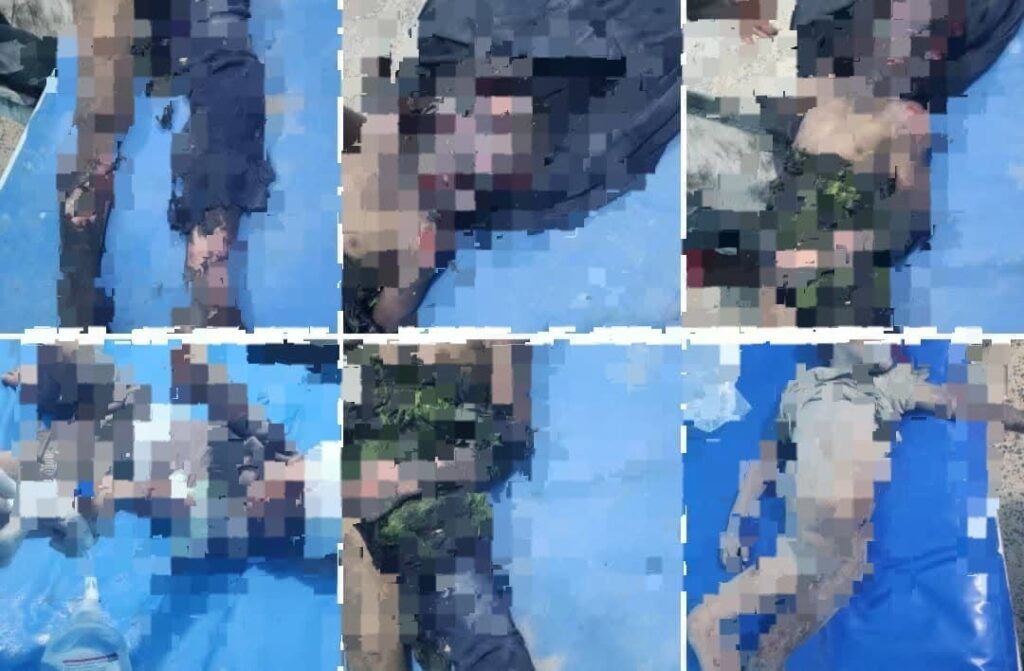
The Yemeni Center for the Rehabilitation of Victims of Violations and Torture (Will and Hope) condemns in the strongest terms the broad military escalation and grave violations committed by the Houthi militias from September 3 to September 15, 2026, across several areas in the governorates of Taiz, Hodeidah, and Marib. This escalation involved bombardment with ballistic missiles, drones, and various types of weaponry, directly targeting densely populated areas and camps for internally displaced persons (IDPs), placing civilian lives at grave risk.
The attacks encompassed the areas of Al-Mokha, Hays, Al-Wazi’iyah, Jabal Habashi, Maqbanah, and Al-Barah, where military operations were accompanied by raids on villages and residential areas, heavy shelling, and the forced displacement of residents from their homes, alongside the destruction of property and the deprivation of families of their housing, livelihoods, and basic necessities.
In Marib Governorate, the Raghwan district and the outskirts of Marib city were subjected to bombardment by ballistic missiles and drones targeting populated areas and IDP camps. According to preliminary information documented by the Erada Organization, this resulted in civilian casualties, including children, in addition to dozens of strikes targeting central Marib city and its surrounding areas.
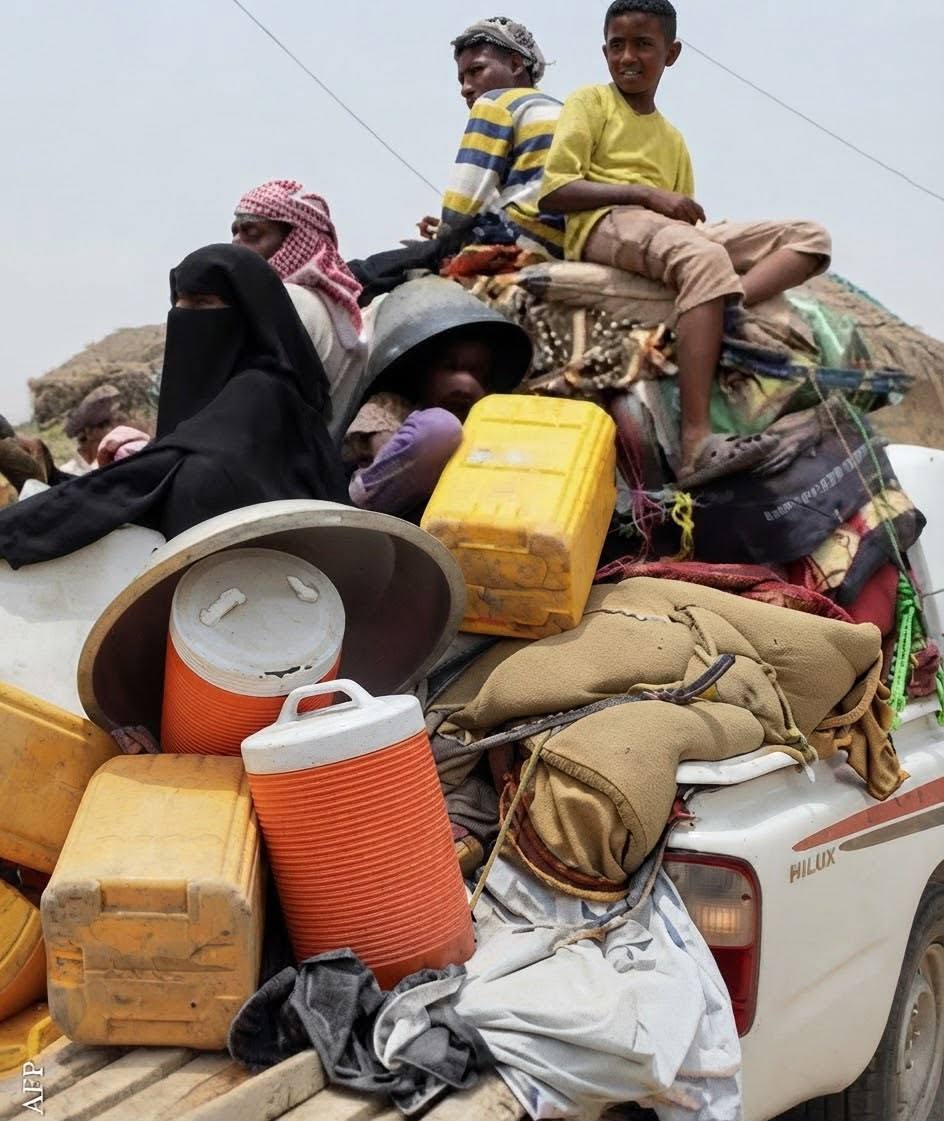
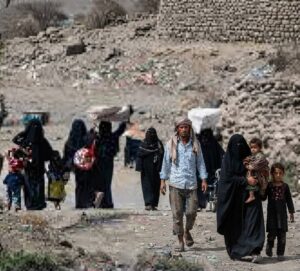
The Yemeni Center emphasizes that the targeting of residential areas and IDP camps cannot be viewed as collateral damage of military operations, particularly as IDPs fleeing combat zones were themselves targeted while traveling along main and secondary roads, including the Hayjat Al-Abed road, Jabal Habashi road, and the Maqbanah and Al-Barah roads.
According to the preliminary toll received by the Yemeni Center, these violations during the aforementioned period resulted in the killing of 154 civilians and the injury of 261 others. In Taiz Governorate, the Houthis displaced approximately 9,292 families (56,072 individuals) in the areas of Al-Barah, Jabal Habashi, Al-Wazi’iyah, and Maqbanah.
In Hodeidah Governorate, displacement due to forced eviction reached approximately 1,374 families (8,000 individuals). This brings the total number of displaced families in both governorates to approximately 10,666 families, living in harsh conditions of homelessness and displacement due to the Houthi terrorist attacks that began on September 3.
Furthermore, the number of forcibly displaced persons who reached Djibouti reached nearly 2,300 people, indicating the expanding humanitarian repercussions of the escalation beyond the affected regions within Yemen. In Taiz Governorate, violations included the shelling of the Al-Shaqb area, which, according to information received by the organization, resulted in the death of 32-year-old citizen Maliyah Abduljaleel and her eight-month-old fetus, alongside other attacks on residential areas that forced numerous residents to flee.
The widespread attacks witnessed in the governorates of Taiz and Hodeidah (the West Coast in Al-Mokha, Al-Wazi’iyah, Hays, Al-Kadahah, Jabal Habashi, and Maqbanah), which targeted population centers and resulted in systematic killings, field executions, injuries, and the displacement of civilians, constitute full-fledged war crimes.
The violations committed by the Houthi militias—including terror, killing, and bombardment of civilians—were accompanied by raids on and looting of the headquarters of international organizations, private homes, and government institutions, as well as the abduction of journalist Sadiq Shalli in the city of Al-Mokha, along with the abduction of government officials, employees, and personnel from the judiciary.
The Yemeni Center for the Rehabilitation of Victims of Violations and Torture considers that targeting civilians, IDPs, evacuation convoys, and civilian and medical facilities, alongside extrajudicial killings, field executions, abductions, arbitrary detention, looting of property, and forced displacement, represent grave violations of International Humanitarian Law and International Human Rights Law.
The Center also stresses that targeting the wounded inside health facilities—where they are out of combat and enjoy special protection under International Humanitarian Law—constitutes a grave violation that cannot be justified. The Houthi militias bear full responsibility for these violations, which may amount to war crimes requiring investigation and accountability.
The Yemeni Center calls upon the international community, the United Nations, the Human Rights Council, and the Office of the High Commissioner for Human Rights to take urgent action to protect civilians, IDPs, and medical facilities, release all abductees and arbitrary detainees, reveal the fate of the missing, and open independent and impartial investigations into all violations.
The Yemeni Center also demands the documentation of violations, preservation of evidence, holding of perpetrators accountable, ensuring redress and justice for victims, and enhancing the humanitarian response for displaced and affected families, emphasizing that impunity is unacceptable under international and humanitarian law.
Issued by: The Yemeni Center for the Rehabilitation of Victims of Violations and Torture (Will and Hope)
September 16, 2026 – Yemen
You may also like
On the 64th Anniversary of the September 26 Revolution: The Yemeni Center Reaffirms Its Commitment to Continue Until Freedom and Justice Are Achieved
On the occasion of the 64th National Anniversary of the eternal September 26, 1962 Revolution, the Yemeni Center for the Rehabilitation of…
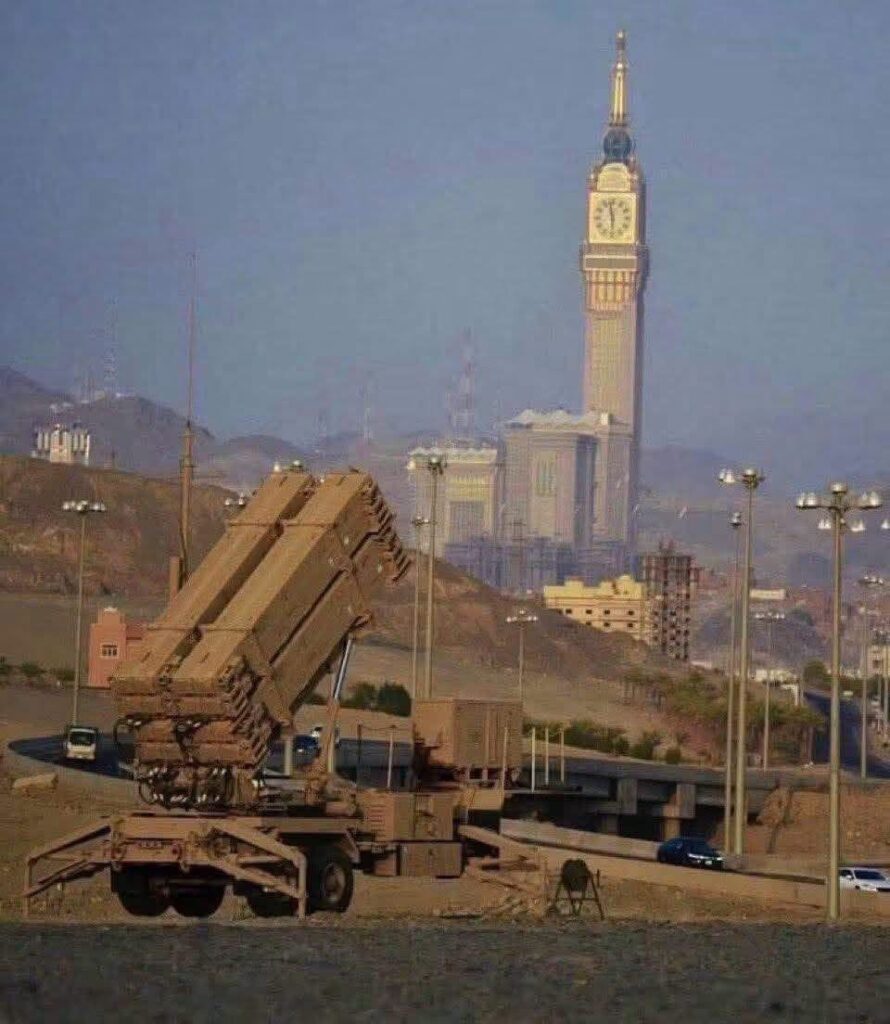
Targeting Holy Makkah is terrorism that crosses all red lines and a flagrant assault on the sanctity of Muslim holy sites.
Statement of Condemnation and Denunciation The Yemeni Center for the Rehabilitation of Victims of Violations and Torture “Will and Hope” condemns in…
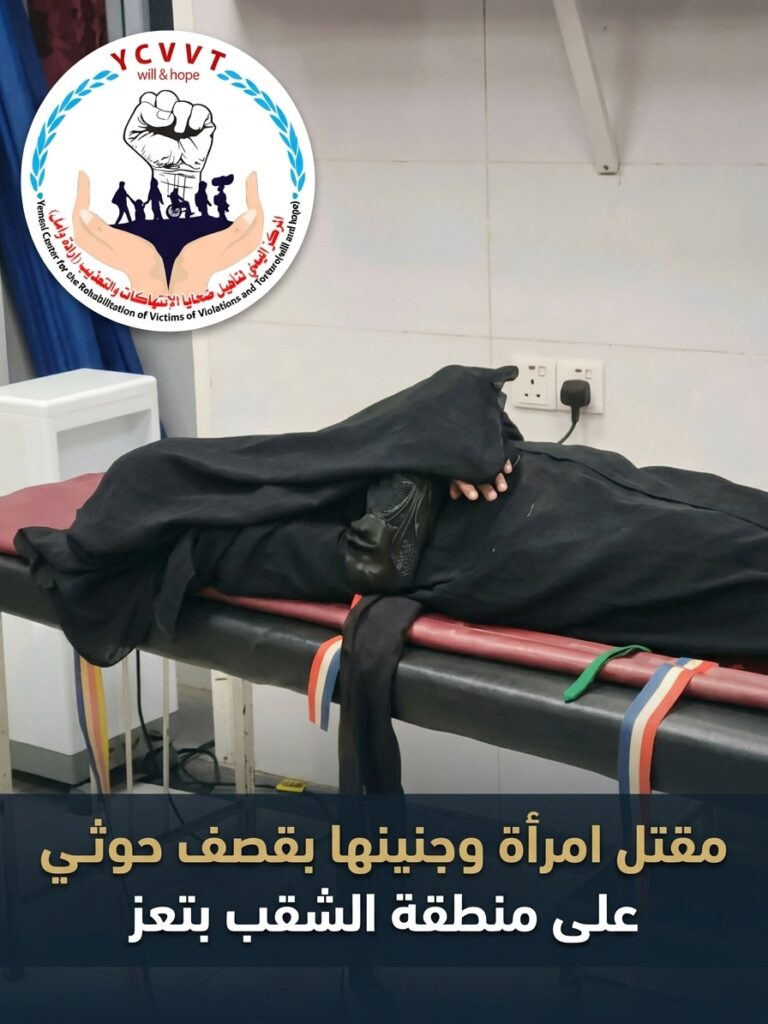
The Yemeni Center Condemns the Killing of a Woman and Her Unborn Child in Houthi Shelling on Al-Shaqb in Taiz
The Yemeni Center for the Rehabilitation of Victims of Violations and Torture (Will and Hope) condemns in the strongest terms the horrific…
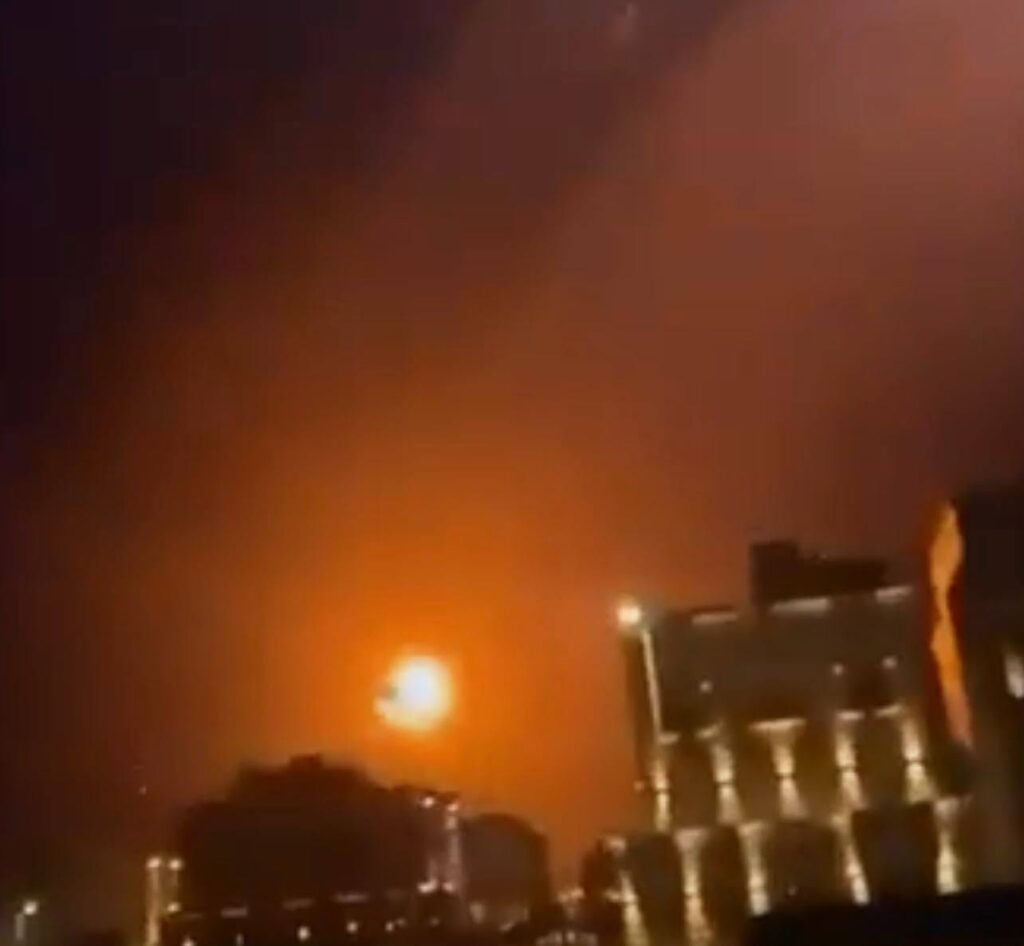
The Yemeni Center Condemns Houthi Attacks on Saudi Arabia and Warns Against the Iranian Project to Destabilize Regional Security
The Yemeni Center for the Rehabilitation of Victims of Violations and Torture (Will and Hope) strongly condemns and denounces, in the most…
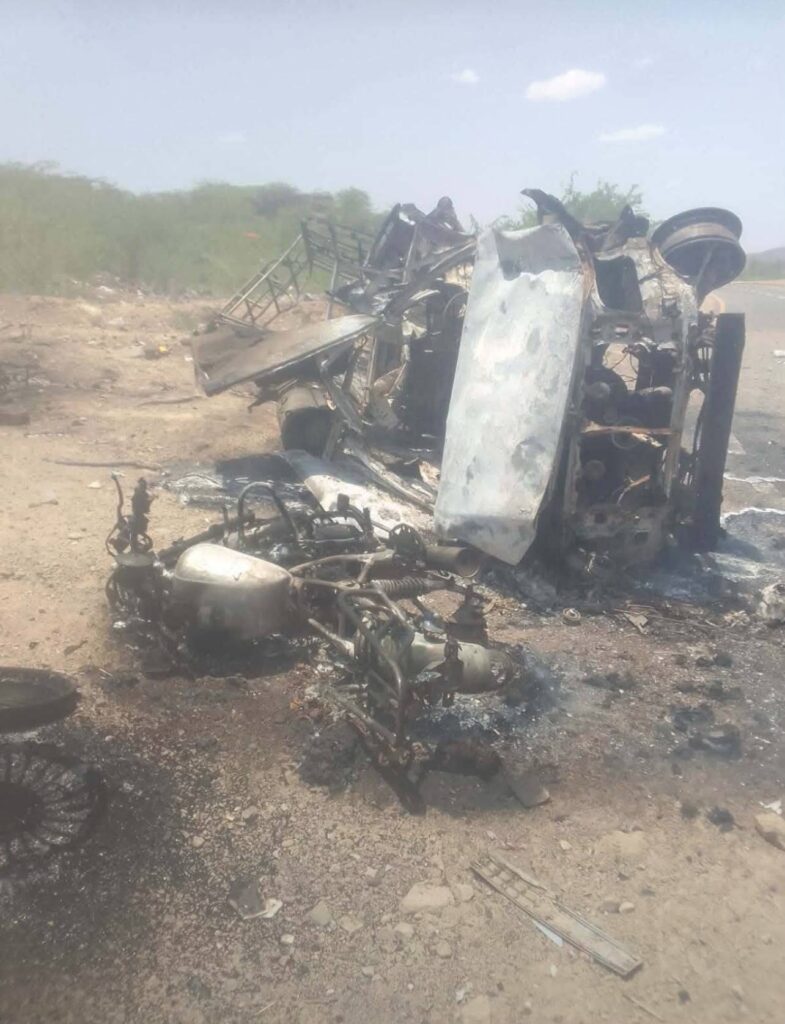
The Yemeni Center Condemns the Houthi Targeting of Civilian Vehicles Carrying Displaced Families in Taiz Governorate
The Yemeni Center for the Rehabilitation of Victims of Violations and Torture (Will and Hope) condemns in the strongest terms the targeting…
The Yemeni Center Condemns the Houthi Targeting of an IDP Camp in Raghwan
The Yemeni Center for the Rehabilitation of Victims of Violations and Torture (Will and Hope) condemns in the strongest terms the bombardment…